The retail landscape in 2025 looks fundamentally different from just three years ago. Accelerated by technology, shifting consumer expectations, and macroeconomic pressures, brands that understand these shifts will capture enormous market share — while those that don't will struggle.

1. AI-Powered Personalization at Scale
Personalization has been a buzzword for a decade, but 2025 is the year it becomes table stakes. AI models can now analyze thousands of signals in real time — browsing behavior, purchase history, weather, social trends, local inventory levels — to serve each visitor a uniquely tailored storefront experience.
Brands using AI personalization are reporting 15–40% improvements in conversion rates and significant increases in average order value. The technology is no longer the barrier — the organizational willingness to act on data-driven recommendations is.
2. Social Commerce Goes Mainstream
TikTok Shop, Instagram Checkout, Pinterest Shopping, and YouTube Shopping aren't experiments anymore — they're legitimate revenue channels. The friction between discovery and purchase has nearly disappeared, and brands that have built native social commerce capabilities are seeing incremental revenue without cannabalizing their core channels.
3. The Sustainability Imperative
Consumer expectations around sustainability have crossed a threshold from "nice to have" to purchase decision. Brands without credible sustainability stories — covering packaging, sourcing, carbon footprint, and end-of-life — are losing customers to competitors who can tell that story authentically.
Importantly, sustainability done right is also good business: reduced packaging costs, more efficient logistics, and higher brand loyalty all contribute to improved unit economics over time.
4. First-Party Data Infrastructure
With third-party cookies effectively dead and data privacy regulations tightening globally, brands that haven't invested in first-party data infrastructure are facing a reckoning. The retailers winning in 2025 have built robust loyalty programs, email and SMS opt-in flows, and customer data platforms (CDPs) that let them understand and activate their own audience data without relying on third-party intermediaries.
5. Headless & Composable Commerce Architecture
The monolithic platform era is ending. Brands that need to move fast — adding new sales channels, running experiments, integrating new capabilities — are increasingly adopting headless commerce architectures that decouple the front-end from the back-end. This allows teams to iterate on the customer experience without touching core commerce infrastructure.
6. Buy Now, Pay Later Maturation
BNPL has moved from a novelty to an expected checkout option in many categories. But the market has also matured: providers who survived the 2023–2024 shakeout are now offering merchant-friendly terms, and the regulatory environment is becoming clearer. Brands still without BNPL options are leaving conversion on the table, particularly for higher AOV products.
7. Same-Day and Next-Hour Delivery
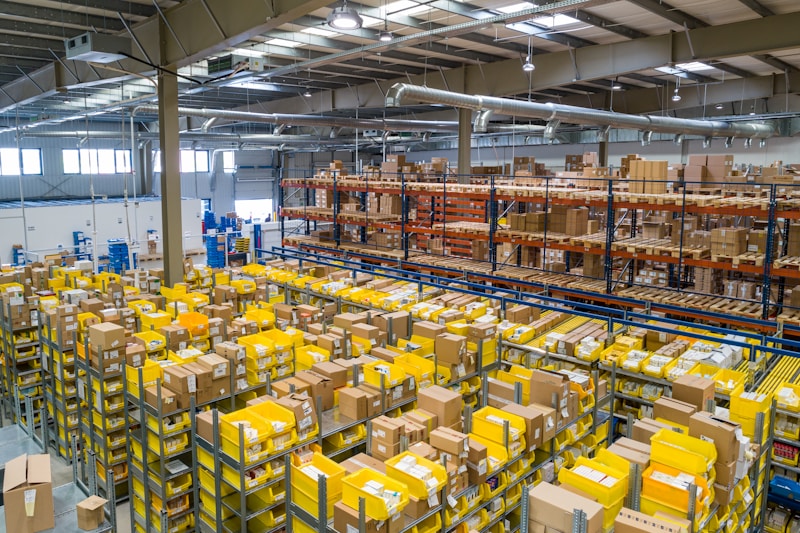
Consumer patience for shipping has essentially reached zero in many categories. Brands with micro-fulfillment infrastructure, dark stores, or hyperlocal delivery partnerships are turning same-day and even same-hour delivery into a competitive advantage — particularly for grocery, beauty, and pharmacy categories.
8. Video Commerce and Live Shopping
Live shopping — pioneered in China with trillion-dollar scale — is finding its footing in Western markets. Short-form video content with embedded purchase flows is driving measurable revenue. Brands that are early to build video commerce capabilities are establishing production workflows and audience relationships that will be hard for laggards to replicate.
9. Unified Commerce and Store Technology Upgrades
The front-of-store technology overhaul is accelerating. Retailers are replacing legacy POS systems with cloud-based, API-first platforms that connect in-store and online inventory, customer data, and fulfillment in real time. This enables capabilities like endless aisle, buy online / return in-store, and staff-assisted clienteling at scale.
10. Subscription and Membership Models
The predictability of subscription revenue is increasingly attractive as customer acquisition costs rise. Retailers across categories — not just digital native brands — are building subscription programs that drive retention, increase purchase frequency, and create switching costs. The most successful programs solve a genuine customer need rather than simply locking in recurring revenue.

Sarah has 18 years of retail and e-commerce strategy experience, previously serving as VP of Digital at two Fortune 500 retailers. She leads ShopVista's strategy practice and speaks regularly at NRF and Shoptalk.